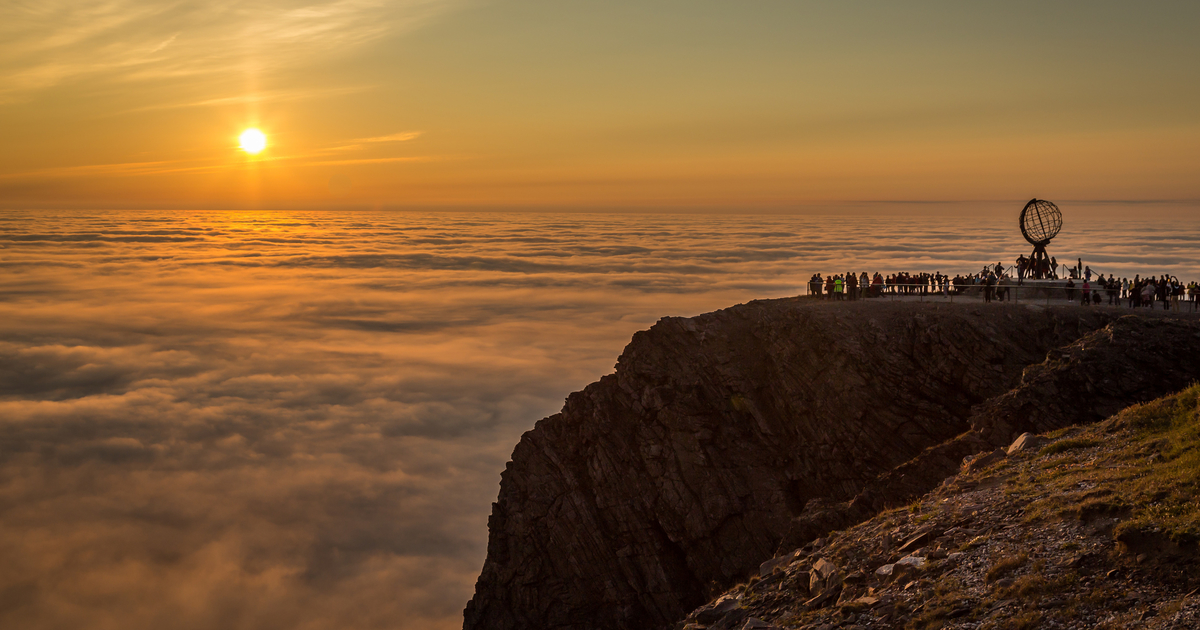
Unveiling the Arctic's Endless Days: The Phenomenon of the Midnight Sun
Imagine a summer where daylight stretches endlessly, where the sun hovers persistently above the horizon, even as the clock ticks past midnight. This isn't a fantasy, but a breathtaking reality experienced every year in the Earth's polar regions, known famously as the Midnight Sun. For those living within this magical circle, the conventional question of
when does the sun rise takes on an entirely new meaning, as the sun, once "up," simply never goes down. This celestial spectacle transforms the Arctic landscape, bathing it in an otherworldly glow that has captivated explorers and inspired artists for centuries.
Often referred to by various poetic names like "Polar Day," "White Night," or "Nightless Night," the Midnight Sun is a hallmark of Arctic summers. It's a period of continuous daylight that defies our everyday understanding of day and night cycles. While many associate long summer days with warmer climates, it is in the chilly, rugged beauty of the far north where this phenomenon truly shines, offering an unparalleled experience of extended luminosity.
The Celestial Dance: Why the Sun Never Sets
The science behind the Midnight Sun is a fascinating interplay of our planet's orbital mechanics and its unique tilt. The Earth, as it journeys around the sun, doesn't stand perfectly upright. Instead, it’s tilted on its axis by approximately 23.4 degrees. This axial tilt is the fundamental reason for our distinct seasons and the varying lengths of day and night throughout the year.
During the northern hemisphere's summer, which typically runs from June to September, the North Pole is angled towards the sun. As the Earth rotates on its axis, the regions far north of the Arctic Circle remain continuously exposed to sunlight. This means that for a certain period, as our planet spins, these polar areas never turn away from the sun's direct rays. The result? A sustained period where the sun remains visible above the horizon for 24 hours a day. The very concept of a traditional 'sunrise' or 'sunset' is simply put on hold for weeks or even months.
Conversely, in areas closer to the Equator, the axial tilt has minimal impact on daylight hours, resulting in roughly equal day and night lengths year-round. Moving further away from the Equator but still south of the Arctic Circle, the effect of the tilt manifests as significantly longer summer days and shorter nights, but a definitive sunrise and sunset still occur. It's only once you cross the invisible but impactful line of the Arctic Circle that the sun's full nocturnal presence becomes a reality. This incredible alignment culminates in the North Pole itself experiencing six months of uninterrupted daylight, followed by six months of continuous darkness during the winter – a stark reminder of our planet's dynamic relationship with its star.
For a deeper dive into how our planet's axial tilt orchestrates these seasonal changes and longer summer days, explore our article on
Earth's Tilt and Daylight: Unraveling Seasons & Longer Summer Days.
Where to Witness This Arctic Marvel and How Long it Lasts
The Midnight Sun is a privilege reserved for regions north of the Arctic Circle. This imaginary geographical line dissects several countries, each offering a unique perspective on the phenomenon. These include Norway, Sweden, Finland, Russia, Iceland (barely skimming its northern edge), Alaska (USA), Canada, and Greenland.
Among these, Norway stands out, proudly bearing the moniker "The Land of the Midnight Sun." Its long, rugged coastline extends well into the High Arctic, making it one of the most accessible and popular destinations to experience this wonder. While various parts of northern Norway enjoy the Midnight Sun from mid-May until mid-July, the duration intensifies the further north you travel.
The ultimate display can be found in the Svalbard archipelago, Norway’s crown jewel in the High Arctic. Here, the sun can be observed 24 hours a day from late April to late August, providing locals and visitors with over four months of perpetual daylight. Imagine sailing through the fjords of Tromsø, hiking the peaks of the Lofoten Islands, or standing at the iconic North Cape, all under the eternal glow of the sun, even at the stroke of midnight. This uninterrupted golden hour transforms the landscape, creating photographic opportunities and experiences that are truly once-in-a-lifetime.
Living Under the Midnight Sun: Tips for Travelers and Locals
Experiencing the Midnight Sun is an exhilarating adventure, but it also presents unique challenges, particularly for our circadian rhythms. When the sky never darkens, our bodies, naturally programmed to associate darkness with sleep, can struggle to adjust.
**For Travelers:**
* **Prioritize Sleep:** Pack a high-quality eye mask and consider dark-out blinds if your accommodation doesn't provide them. Sticking to a consistent sleep schedule, even when it feels unnatural, is crucial.
* **Embrace the Extended Day:** The endless daylight means more time for adventure! Enjoy midnight hiking, fishing, golfing, or kayaking under the ever-present sun. Many tour operators offer "midnight sun" excursions, allowing you to maximize your experience.
* **Mind Your Melatonin:** The constant light can suppress melatonin production, a hormone essential for sleep. Avoid screen time before bed and try to create a "dark" environment to signal to your body that it's time to rest.
* **Stay Hydrated and Nourished:** With so much extra time for activities, it's easy to forget basic needs. Keep water and snacks handy to maintain your energy levels.
* **Capture the Light:** The quality of light during the "midnight hour" is often compared to a prolonged golden hour – soft, warm, and utterly magical. Bring your camera and experiment with long exposures to capture the unique atmosphere.
Locals, over generations, have adapted to these extreme light conditions, developing routines that harness the energy of perpetual daylight while ensuring adequate rest. Many engage in outdoor activities late into the evening, thriving on the extra hours.
Beyond the Arctic Circle: Long Summer Days Elsewhere
While the Midnight Sun is a spectacle of continuous daylight, the Earth's tilt also profoundly impacts daylight hours in regions further south, leading to significantly longer summer days, even if a distinct sunrise and sunset still occur. Take the United States, for example. Being in the Northern Hemisphere, its summer months (June to September) consistently feature extended periods of daylight. In a major city like New York, for instance, residents can enjoy up to 15 hours and 10 minutes of daylight in June. This contrasts sharply with winter, when December nights are equally long, and days start roughly two hours later.
The vast geographical spread of the USA, from west to east and north to south, means there are considerable variations in daylight hours. Cities further north will experience longer summer days compared to those closer to the equator. This varying increase in daylight across different latitudes is a direct consequence of the same 23.4-degree axial tilt that creates the Midnight Sun in the Arctic. It dictates when the sun rises and sets, shifting those times dramatically with the seasons and latitude, giving us the spectrum from a brief winter day to the uninterrupted summer day of the Arctic.
To compare the dramatic contrasts between Norway's endless days and the significant, yet different, summer daylight hours experienced in the USA, read
From Norway's Midnight Sun to USA's Longest Summer Days.
The Midnight Sun is more than just a scientific curiosity; it's a profound natural phenomenon that redefines our perception of time and light. It reminds us of the intricate dance between our planet and its star, creating conditions that are both challenging and utterly captivating. Whether you dream of experiencing the sun at midnight firsthand or simply appreciate the science behind our ever-changing daylight, understanding the Midnight Sun offers a deeper connection to the wonders of our world.